




Flow Cytometric Analysis of Endothelial Colony Forming Cells and Hematopoietic Progenitor Cells in Lung Vascular Disease by Kewal Asosingh and Imaging Flow Cytometry in the Study of Immune Cell Functions by Andrew Filby
- Registration Closed
Flow Cytometric Analysis of Endothelial Colony Forming Cells and Hematopoietic Progenitor Cells in Lung Vascular Disease presented by Kewal Asosingh, PhD
About the Presenter
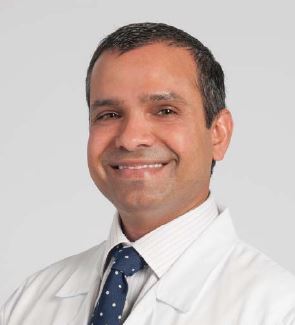
Kewal Asosingh, PhD
Scientific Director
Cleveland Clinic Lerner Research Institute
Dr. Asosingh is a staff scientist, assistant professor of molecular medicine, and scientific director for flow cytometry at Cleveland Clinic Lerner Research Institute. In 2011, he was chosen by the International Society for Advancement of Cytometry (ISAC) as an ISAC Scholar. He has provided stem cell cytometry training seminars at ISAC meetings, chaired oral presentation sessions on personalized medicine, reviewed abstracts, participated as a member of the Program Committee for CYTO, and reviewed papers for Cytometry Part A. Dr. Asosingh is also co-leader of the CYTO University eLearning Delivery Task Force. Dr. Asosingh teaches flow cytometry to undergraduate and graduate students at the Cleveland Clinic and Lakeland Community College. As scientific director of the flow cytometry core, he serves as primary contact with investigators to provide advice on experimental design and data analysis/interpretation, and he assures that data generated by the flow core is of the highest quality.
Webinar Summary
Dr. Asosingh’s lab studies bone marrow stem cells in pulmonary arterial hypertension (PAH) and pathological angiogenesis in asthma. The group has established mouse models for both diseases. Close collaboration with clinicians facilitates rapid transition of the basic research findings to clinical studies. In the past decade it has become evident that bone marrow hematopoietic stem cells exert functions beyond hematopoiesis. During development, endothelial cells and hematopoietic stem cells originate from a common bipotent mesodermal stem cell called the hemangioblast. In post-natal life, this connection is maintained via paracrine interactions between the endothelium and circulating hematopoietic progenitor cells. Their critical role in vascular homeostasis and repair of endothelial injury has opened new therapeutic perspectives for vascular degenerative diseases. The flipside of the coin is that abnormalities in hematopoiesis may underlie pathological angiogenesis. Recent findings from the group show that hematopoietic stem cells isolated from the bone marrow of PAH patients are able to transfer the disease in humanized NOD SCID mice. PAH is a devastating disease characterized by endothelial cell injury, in situ thrombi and right ventricular hypertrophy. Animals engrafted with hematopoietic stem cells from PAH patients, but not from healthy control participants, had increased mobilization of progenitor cells in the peripheral blood, just like in patients, and strikingly developed many features of PAH. Current focus of the team is to further reveal the mechanisms by which hematopoietic stem cells cause pulmonary vascular disease. This webinar will provide an overview of the different types of “endothelial progenitor cells” with special emphasis on endothelial colony forming cells and pro-angiogenic hematopoietic progenitor cells and their roles in PAH.
Imaging Flow Cytometry in the Study of Immune Cell Functions presented by Andrew Filby, PhD
About the Presenter
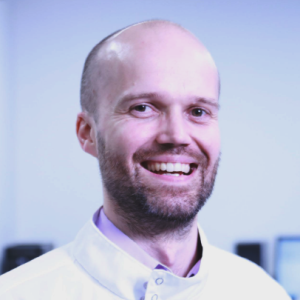
Andy Filby, PhD
Head of the Flow Cytometry Core Facility
Newcastle University
Dr. Filby is currently head of the Flow Cytometry Core Facility at Newcastle University. He leads a dedicated team of flow cytometry specialists with the sole aim of providing a comprehensive, cutting-edge cytometry resource to the wider research community at Newcastle University and beyond. A significant part of his focus is the development of novel cytometry-based techniques that have underpinned several high profile publications including in Science, Cell, and the Cytometry Part A paper of the year accolade (2011). He specializes in imaging flow cytometry and the use of fluorescence dyes to track cell proliferation. Prior to and post-selection as an ISAC Shared Resource Laboratory Emerging Leader (SRLEL), Dr. Filby has made several contributions to the CYTO conference programs, including interactive workshops and scientific talks. He continues to contribute to the efforts of ISAC including serving on the Image Cytometry and e-learning task forces. In addition to his work within ISAC, he is also heavily involved in supporting cytometry research and education in South America including initiatives for remote support and training.
Webinar Summary
In this short webinar, Dr. Filby will give a brief overview of his work within the field of imaging flow cytometry and what impact this has had on a number of key publications in the field of immunology and cell cycle biology. These include the study of asymmetric cell division in the immune system, the measurement of organelle-specific calcium mobilization in activated T cells and the analysis of the cell cycle in fission yeast. In each case the ability to capture and analyze literally thousands of multispectral, spatially registered images was essential to questions each method was designed to address. Finally, Dr. Filby will also discuss what the SRL Emerging Leaders program means to him and how he hopes it will benefit the wider cytometry community through various initiatives he is involved in.
CMLE Credit: 1.0
Key:
 Complete
 Next
Next Failed
 Available
 Locked